The Dangote DAPPMAN Dispute sits at the center of Nigeria’s downstream reset. It affects pricing, access to supply, and the role of depots and marketers. As Dangote Refinery expands direct distribution, the market structure is changing. Therefore, operators and investors need clear insight and a practical response.
Dangote DAPPMAN Dispute: How We Got Here
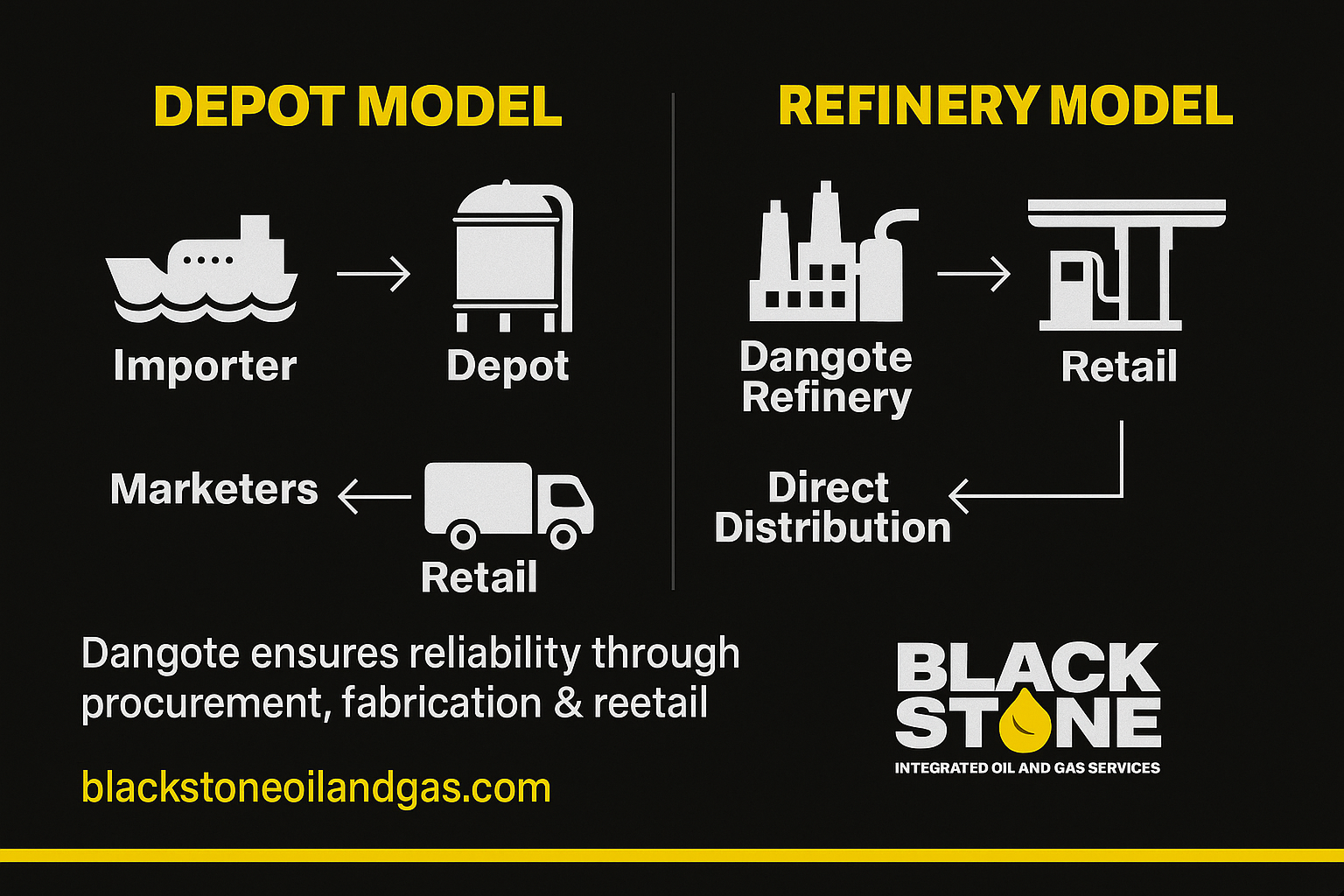
For decades, depots connected importers and refiners to retail networks. DAPPMAN members built storage and logistics capacity that kept fuel moving across Nigeria. However, the commissioning of Dangote Refinery introduced scale and a direct distribution system that can bypass depots. As a result, depot owners face the risk of stranded assets and shrinking margins. According to Premium Times, the dispute centers on pricing and distribution control, with Dangote claiming depots add unnecessary costs to the system.
Dangote DAPPMAN Dispute Explained
Dangote says depot owners want subsidy support for logistics and handling, which could add cost at the pump. DAPPMAN denies subsidy demands and calls for partnership and fair access. Meanwhile, industry voices urge restructuring so depots evolve rather than resist change. Consequently, the dispute now tests market design and regulatory capacity.
Nigeria Downstream Lessons from the Dangote DAPPMAN Dispute
1. Balance efficiency with competition
The refinery’s scale can reduce per-litre costs. Yet bypassing depots may strand investments and jobs. Therefore, policy should balance lower costs with a market that remains open and competitive.
2. Regulation will decide winners
The Nigerian Midstream and Downstream Petroleum Regulatory Authority must set transparent rules for access and distribution. Clear guidance will build confidence, while uncertainty will squeeze smaller marketers.
3. Adaptation is possible
Depots can pivot to last-mile logistics, retail networks, and alternative fuels such as LPG and CNG. Moreover, consolidation and shared infrastructure can improve scale and efficiency.
4. Investor view
To global investors, the dispute shows both progress and risk. Domestic refining improves energy security. However, predictable access and fair competition remain essential for long-term capital. As Reuters notes, the refinery’s capacity is already shifting regional oil trade dynamics.
How Blackstone Helps Stakeholders Adapt
- Procurement and Supply: Local sourcing that reduces import exposure and lead times. Learn more.
- Construction and Fabrication: Storage, skids, and distribution upgrades delivered in Nigeria. See our capability.
- Manpower Solutions: Training and staffing to operate new distribution models. Build your team.
- HSE Support: Safety systems that protect people, assets, and reputation. Our HSE approach.
Conclusion
The Dangote DAPPMAN Dispute signals a reset in Nigeria’s downstream market. The winners will be those who adapt early, strengthen logistics, and partner for execution. Blackstone combines local expertise with international standards to help clients move forward with confidence.
Talk to us: https://blackstoneoilandgas.com/contact-us/